
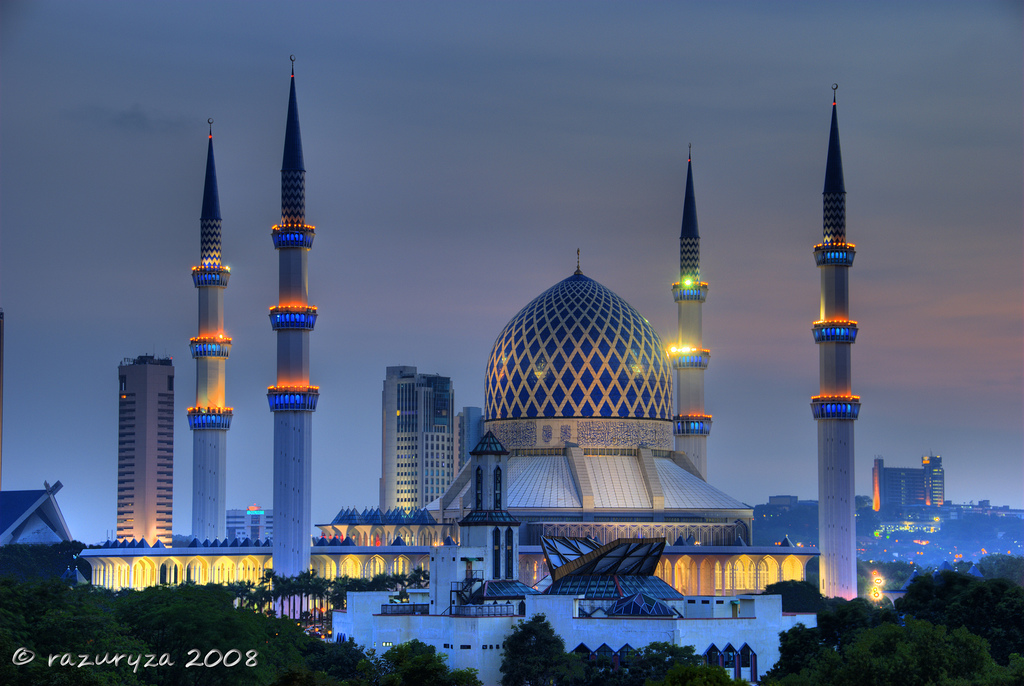
Why Malaysia Is a Haven for Muslims
For those seeking a place where the heart and soul can thrive in faith, Malaysia stands out as a beacon of hope and tranquility. A geographical hijra—moving to a land that nurtures your Islamic identity—is not just about relocating; it is about finding a sanctuary where spirituality, community, and everyday life harmonize. Malaysia offers exactly that.
A Society Rooted in Faith and Tolerance
Malaysia is home to a rich tapestry of cultures and religions, yet Islam serves as the guiding spirit of the nation. The people are warm, welcoming, and respectful, creating an environment of genuine tolerance and coexistence. For new converts and practicing Muslims, this is a place where you can live openly and freely, surrounded by a society that values moral conduct, family, and community.
Spiritual Life Made Easy
In Malaysia, practicing Islam is effortless. Mosques dot every city and town, many open around the clock, offering prayer spaces, Qur’an study, and spiritual lectures. Every morning after Subh and every evening after Maghrib, you can attend enlightening lectures or join community circles that nourish both knowledge and heart. Islamic centers and universities host courses ranging from basic fiqh to advanced Islamic studies, creating opportunities to deepen your understanding and live in accordance with the Sunnah.
Islamic Sites and Sacred Heritage
From the historic mosques of Malacca to the stunning Islamic architecture in Putrajaya, Malaysia is a country where faith and culture intertwine beautifully. Pilgrims and visitors can explore Islamic museums, heritage sites, and beautiful gardens that reflect centuries of devotion and scholarship. Every town seems to tell a story of a living, breathing Islamic civilization.
Peaceful, Clean, and Beautiful
Malaysia’s natural landscapes are breathtaking—from pristine beaches to lush highlands, serene rainforests to tranquil villages. Life in Malaysia is calm and structured, with clean towns, organized cities, and a sense of order that fosters reflection and spiritual focus. The country is also relatively affordable, allowing residents to lead comfortable lives without the distractions and pressures of overspending and urban stress.
A Safe and Supportive Environment
Safety and security are not mere conveniences; they are pillars of daily life in Malaysia. Here, you can raise a family, study, or practice Islam without constant worry. Temptations, social pitfalls, and moral distractions that often challenge Muslims in other countries are far easier to avoid, making it an ideal place for those seeking a pure, quiet, and devoted life.
A Harmonious Blend of Modernity and Faith
While Malaysia offers modern amenities and infrastructure, it never sacrifices its Islamic identity. Dual jurisdictions—civil and Shariah—ensure that Muslim residents can live according to their faith while engaging with modern society. Markets, transportation, education, and technology coexist with the rhythm of prayer and reflection.
Community, Brotherhood, and Growth
Perhaps the most valuable treasure in Malaysia is its people. Communities of practicing Muslims, including a growing number of Western reverts, create networks of support, mentorship, and friendship. Whether through mosque activities, Islamic study circles, or volunteer initiatives, you are never alone on your journey of faith.
Why New Reverts Feel at Home
For Western converts, Malaysia is uniquely welcoming. The society’s openness, the abundance of Islamic knowledge, and the ease of living a wholesome life create an environment where reverts can grow confidently. The availability of halal food, modest clothing, and accessible mosques removes barriers that many face elsewhere, allowing for a seamless integration into both spiritual and daily life.
Live Your Hijra Fully
Malaysia is more than a country—it is a sanctuary for the soul. It allows Muslims to live with dignity, purity, and peace while growing spiritually, socially, and intellectually. If your heart seeks a place where you can fully dedicate yourself to Allah, embrace Islamic principles, and experience a harmonious, faith-centered life, Malaysia is a destination that calls you home.
A Hub of Knowledge and Global Communication
Last but not least, Malaysia is home to a high ratio of educated people, many of whom speak English fluently. This makes it not only easy to integrate and navigate daily life, but also ideal for learning, professional growth, and building meaningful connections. Whether you seek scholarly circles, business opportunities, or simply enriching conversations, Malaysia offers a community where knowledge, faith, and modern communication meet seamlessly.
Legal Overview of Immigration to Malaysia
Malaysia is a popular destination for Muslims seeking a geographical hijra, but it is important to understand its legal framework for immigration, residence, and work.
1. Entry and Visa Requirements
Tourist Visa / Visa-Free Entry: Citizens of many countries can enter Malaysia visa-free for a limited period (usually 30–90 days). This allows for initial exploration but does not permit work or long-term residence.
Social Visit Visa: For longer stays (up to 6 months), visitors can apply for a social visit visa, but this visa is temporary and strictly prohibits employment.
2. Work and Professional Visas
Employment Pass: For foreigners seeking professional employment in Malaysia. Usually issued for 1–5 years and requires a confirmed job offer from a Malaysian company.
Professional Visit Pass: Short-term work (up to 12 months) for specialized projects or assignments.
Constraints: The Malaysian government restricts foreign employment to sectors with demand; lower-skilled work may be limited for foreigners, and sponsorship from a company is mandatory.
3. Residence and Long-Term Options
Malaysia My Second Home (MM2H): A long-term residency program that allows foreigners to live in Malaysia for up to 10 years, renewable.
Requires proof of financial stability: liquid assets, income, and minimum fixed deposit in a Malaysian bank.
Participants cannot work in Malaysia without additional permits; the program is mainly for retirees, investors, or those who can support themselves financially.
Dependent Visas: For spouses or children of work visa holders. These allow residency but do not automatically grant work rights.
4. Refugee and Asylum Status
Malaysia does not recognize formal refugee status under domestic law.
The United Nations High Commissioner for Refugees (UNHCR) operates in Malaysia, but refugees registered with UNHCR do not have legal work permits or permanent residence rights.
Refugees are considered undocumented immigrants under Malaysian law and can face detention or deportation.
5. Legal Constraints and Obligations
No Automatic Citizenship: Permanent residence is rare and citizenship applications are difficult, usually requiring decades of residence, strong ties, and government approval.
Employment Restrictions: Working without the proper visa is illegal and can result in fines, deportation, or blacklisting.
Compliance with Immigration Law: Malaysia enforces strict immigration controls, including spot checks and employer obligations to ensure foreign workers have legal status.
Health and Insurance: Foreign residents are often required to have medical coverage, and non-compliance can affect visa renewal.
6. Practical Implications for Hijra
For Muslims considering Malaysia as a spiritual refuge or place for long-term living:
Short visits are easy, but long-term residence requires planning, financial proof, or employment sponsorship.
Refugee or asylum-based migration is not legally supported, making Malaysia unsuitable for people fleeing persecution without other means.
Those who plan to study Islamic knowledge or work in a mosque/Islamic center need proper permits to avoid legal issues.
Many reverts or foreign Muslims choose MM2H or employment-sponsored visas as the most viable legal routes for long-term living.
Malaysia: Political System and Shariah Implementation
1. Constitutional Monarchy and Federal System
Malaysia is a federation of 13 states and 3 federal territories.
The country practices a constitutional monarchy, with Islam as the official religion.
Nine of the 13 states are monarchies headed by Sultans, while the remaining four (Penang, Malacca, Sabah, and Sarawak) are headed by governors.
2. The Federal Monarchy: Yang di-Pertuan Agong
Malaysia has a unique rotating federal monarchy.
The Yang di-Pertuan Agong (King) is elected every five years from among the nine Sultans.
The King serves as the federal head of state and the supreme head of Islam for the entire country.
Current Yang di-Pertuan Agong (as of 2025): Sultan Nazrin Shah of Perak.
3. Shariah Law in Malaysia
Malaysia has a dual legal system:
Civil courts: Handle criminal and civil matters for all citizens.
Shariah courts: Handle matters related to family law, inheritance, marriage, apostasy, and some moral offences for Muslims.
Shariah law is state-based, meaning the extent of its enforcement varies depending on the state. Hudud punishments are generally limited by federal oversight.
4. States with Sultans Applying Shariah Law
State Sultan / Monarch Shariah Law Scope
Johor Sultan Ibrahim Ismail Family law, inheritance, religious offences
Kedah Sultan Sallehuddin Family law, Islamic courts
Kelantan Sultan Muhammad V Strong Shariah focus, family law, hudud (limited)
Negeri Sembilan Yang di-Pertuan Besar Muhriz Family and personal law
Pahang Sultan Abdullah Ri’ayatuddin Family law, Shariah courts
Perak Sultan Nazrin Shah Family law, inheritance, religious enforcement
Perlis Raja Syed Sirajuddin Family law, Shariah courts
Selangor Sultan Sharafuddin Idris Shah Family law, Islamic governance matters
Terengganu Sultan Mizan Zainal Abidin Strong Shariah focus
> States without Sultans (Penang, Malacca, Sabah, Sarawak, and the federal territories) apply Shariah within limited jurisdiction for Muslims, mostly family and personal law matters.
5. Role of the Sultans
Sultans are ceremonial heads of Islam in their states.
They oversee religious councils, Islamic scholars, and Muftis, guiding Shariah implementation at the state level.
Through the Conference of Rulers, the nine Sultans collectively influence national Islamic policies.
6. Practical Implications for Muslims
Muslims in states with Sultans experience stronger local Islamic governance, particularly in family law and religious matters.
Access to mosques, religious lectures, and Islamic courts is generally well organized and supported by the state.
Daily life is influenced by Shariah norms, but enforcement is within legal limit9s, balancing faith with civil regulations.
Top 10 Spiritual Hijra Locations in Malaysia
Rank Location Highlights & Spiritual Appeal Affordability (Approx.)
1 Kota Bharu, Kelantan Deep Islamic heritage, numerous mosques, conservative community, daily religious lectures RM700–RM1,500/month rent; RM5–RM15/meal
2 Shah Alam, Selangor Planned city, Sultan Salahuddin Abdul Aziz Mosque, Islamic institutions, clean and safe RM1,200–RM2,000/month rent; RM8–RM20/meal
3 Bukit Jelutong, Selangor Quiet suburban retreat, green spaces, family-friendly, close to mosques RM1,500–RM2,500/month; RM10–RM25/meal
4 Alor Setar, Kedah Rural landscapes, peaceful town, strong Muslim community RM600–RM1,200/month; RM5–RM12/meal
5 Ipoh, Perak Limestone hills, calm rivers, historic mosques, relaxed lifestyle RM800–RM1,500/month; RM6–RM15/meal
6 Penang Coastal city, Islamic schools, heritage mosques, beautiful beaches RM1,200–RM2,000/month; RM8–RM20/meal
7 Malacca (Melaka) Small-town serenity, historic mosques, deep Islamic culture RM900–RM1,500/month; RM8–RM15/meal
8 Langkawi Island Pristine beaches, small Muslim communities, peaceful retreat RM1,200–RM2,000/month; RM8–RM20/meal
9 Cameron Highlands Cool climate, scenic hills, quiet villages, access to mosques in towns like Tanah Rata RM800–RM1,800/month; RM6–RM15/meal
10 Kuala Lumpur (selected suburbs) Access to lectures, mosques, Islamic centers; convenient city life, but busier and costlier RM1,500–RM2,500/month; RM10–RM25/meal
Key Considerations
Spiritual Resources: Focus on towns with abundant mosques, Islamic centers, lectures, and Qur’an classes.
Natural Beauty & Serenity: Islands, highlands, and rural towns provide opportunities for reflection and retreat.
Affordability: Rural towns and smaller cities like Kota Bharu, Alor Setar, and Ipoh offer the lowest cost of living.
Safety & Community: Selangor’s planned neighborhoods (Shah Alam, Bukit Jelutong) and smaller towns offer safe, family-friendly environments.
Here’s a complete Malaysian Culinary Guide for Spiritual Hijrah, fully integrated with the introduction, cities, dishes, restaurants, and price ranges—ready for your web page:
Malaysian Culinary Guide for Spiritual Hijrah
Exploring Malaysia’s Culinary Tradit
Malaysia is a land where culinary heritage reflects the heart of its culture and spirituality. For Muslims seeking a life of reflection and faith, food is not just sustenance—it is part of daily ritual, community, and simple living. Malaysian cuisine is inherently halal, with a rich diversity of flavors influenced by Malay, Arabic, Indian, and Southeast Asian traditions.
In this guide, you will discover three main concepts of dining that are both practical and spiritually aligned for those pursuing a quiet, reflective life:
1. Mama Restaurants (Warung / Home-Style Cafés): Small, family-run eateries serving home-cooked Malay dishes like nasi lemak, rendang, and sambal-based specialties. Affordable, simple, and wholesome.
2. Food Courts & Hawker Centers (Medan Selera): Communal spaces with multiple food booths, offering a wide range of halal options quickly and affordably.
3. Street Food & Night Markets: Vibrant stalls offering quick, traditional meals like roti canai, satay, and laksa. Perfect for those seeking a humble, reflective diet.
This guide highlights the top 10 Malaysian cities and towns ideal for spiritual hijrah, focusing on famous dishes, price ranges, and recommended eateries. Whether you prefer a quiet warung, a bustling food court, or simple street-side fare, Malaysia provides safe, halal, and affordable culinary experiences that support a spiritually centered life.
—
1. Kota Bharu, Kelantan
Famous Dishes: Nasi Kerabu (~RM6–RM12), Ayam Percik (~RM8–RM15), Laksam (~RM5–RM10)
Affordable Restaurants:
1. Restoran Nasi Kerabu Hj. Sharin
2. Ayam Percik Wak Din
3. Laksam Kak Kiah
—
2. Shah Alam, Selangor
Famous Dishes: Nasi Lemak (~RM5–RM10), Roti Canai (~RM3–RM6), Murtabak (~RM8–RM15)
Affordable Restaurants:
1. Nasi Lemak Cinta Rasa
2. Restoran Murtabak Idaman
3. Roti Canai Kayu
—
3. Bukit Jelutong, Selangor
Famous Dishes: Nasi Lemak, Roti Canai, Murtabak (same as Shah Alam)
Affordable Restaurants:
1. Al-Azhar Bukit Jelutong
2. Restoran Salim
3. Warung Hj. Ismail
—
4. Alor Setar, Kedah
Famous Dishes: Nasi Dagang (~RM6–RM12), Laksa Kedah (~RM5–RM10), Kuih Muih (~RM2–RM5)
Affordable Restaurants:
1. Restoran Nasi Dagang Pak Malau
2. Laksa Kak Ton
3. Warung Kopitiam Alor Setar
—
5. Ipoh, Perak
Famous Dishes: Ipoh Chicken Rice (~RM6–RM12), Bean Sprout Chicken (~RM8–RM15), Curry Mee (~RM6–RM10)
Affordable Restaurants:
1. Lou Wong Bean Sprout Chicken
2. Onn Kee Chicken Rice
3. Nam Heong Ipoh Old Town
—
6. Penang
Famous Dishes: Nasi Kandar (~RM6–RM15), Penang Laksa (~RM5–RM10), Rojak / Pasembur (~RM5–RM12)
Affordable Restaurants:
1. Line Clear Nasi Kandar
2. Air Itam Laksa
3. Gurney Drive Hawker Stalls
—
7. Malacca (Melaka)
Famous Dishes: Chicken Rice Balls (~RM6–RM12), Nyonya Laksa (~RM5–RM10), Satay Celup (~RM10–RM20)
Affordable Restaurants:
1. Hoe Kee Chicken Rice Ball
2. Capitol Satay Celup
3. Jonker Street Hawker Stalls
—
8. Langkawi Island
Famous Dishes: Ikan Bakar (~RM10–RM25), Laksa Kedah (~RM6–RM12), Seafood Platters (~RM15–RM30)
Affordable Restaurants:
1. Wonderland Food Store
2. Orkid Ria Seafood Restaurant
3. Scarborough Fish & Chips (Halal)
—
9. Cameron Highlands
Famous Dishes: Steamboat (~RM15–RM30), Roti / Teh Tarik (~RM3–RM6), Strawberry Desserts (~RM5–RM12)
Affordable Restaurants:
1. Restoran Cameronian
2. The Lord’s Café
3. Boh Tea Cafeteria
10. Darul Quran, Kuala Kubu Bharu (Selangor)
Famous Dishes: Nasi Lemak, Roti Canai (~RM5–RM10), simple home-style Malay meals (~RM6–RM12)
Affordable Restaurants:
1. Local Warungs near the Institute
2. Kampung-style Cafes
3. Small Halal Stalls in Town
Summary Price Ranges
Street / Local Warungs: RM3–RM10 per meal
Mid-range Restaurants: RM10–RM20 per meal
Seafood / Specialty Dishes: RM15–RM30 per meal
> Tip for spiritual hijra: Focus on simple, wholesome Malay and local Islamic dishes, avoid fast-food chains, and support local family-run restaurants and hawker stalls. This approach keeps meals affordable, nutritious, and aligned with a modest, spiritually centered lifestyle.
In addition to traditional dining, modern food delivery services have made it easy to access halal meals across Malaysia. Platforms like GrabFood, Foodpanda, and ShopeeFood connect users with everything from local warungs to mid-range restaurants, often offering free or low-cost delivery promotions. These services allow students, spiritual retirees, and new reverts to enjoy home-style Malay dishes, nasi lemak, roti canai, or seafood meals without leaving their homes, ensuring a healthy, modest, and spiritually aligned diet is always within reach. Even in smaller towns and suburban areas like Bukit Jelutong or Kota Bharu, many local eateries are now integrated with these delivery platforms, making wholesome, convenient meals accessible for everyone pursuing a quiet and reflective lifestyle.
Here’s a comprehensive summary of transportation in Malaysia tailored for Muslims considering spiritual hijrah, covering public, terminal, and private options:
—
Transportation in Malaysia: Overview for Spiritual Hijrah
Malaysia offers a well-connected and diverse transportation network, making it convenient for residents and students to travel between cities, towns, and rural areas while maintaining a safe, modest, and affordable lifestyle.
—
1. Public Transportation
Urban Rail & Metro:
Kuala Lumpur & Greater Klang Valley: LRT (Light Rail Transit), MRT (Mass Rapid Transit), Monorail
Cities like Penang & Ipoh: Bus services and small local trains
Cost: RM1–RM6 per trip depending on distance
Advantages: Affordable, air-conditioned, efficient for daily commuting; good for students and those living in urban areas.
Buses:
RapidKL, Rapid Penang, Rapid Kuantan, etc.: Modern buses with fixed routes in cities and suburban areas
Intercity buses: Comfortable coaches connecting towns and major cities (e.g., Kuala Lumpur–Kota Bharu, KL–Penang)
Cost: RM5–RM40 depending on distance
Advantages: Cheap, accessible, good for short and medium distances.
—
2. Terminal Transportation
Airports:
Kuala Lumpur International Airport (KLIA & KLIA2): International and domestic flights
Other Airports: Penang, Langkawi, Kota Bharu, Ipoh, Malacca, Alor Setar
Domestic flights: Affordable and convenient for connecting distant cities or islands
Transport to/from airports: Taxi, Grab, or shuttle buses (RM10–RM50 depending on distance)
Railway Stations:
KTM Intercity & ETS (Electric Train Service): Fast, comfortable trains connecting Kuala Lumpur to Penang, Ipoh, and northern states
KTM Komuter: Local commuter trains in Klang Valley
Cost: ETS RM30–RM120 per journey; Komuter RM1–RM6 per trip
Advantages: Efficient, air-conditioned, scenic routes, avoids traffic, budget-friendly
—
3. Private & On-Demand Transportation
Ride-Hailing Services:
Grab: Dominates Malaysia; offers GrabCar, GrabBike, and GrabFood delivery
Other services: Maxim, MyCar, Ryde, or local taxi apps in some cities
Advantages: Safe, convenient, easy booking via smartphone apps, useful for late-night travel or areas with limited public transport
Cost: RM5–RM50 for most city trips; surge pricing applies during peak hours
Car Rentals & Self-Drive:
Available in all major cities and airports; options range from compact cars (~RM100/day) to SUVs (~RM250/day)
Ideal for exploring rural or highland areas (Cameron Highlands, Langkawi) where public transport is limited
Motorcycle Rentals / Scooters:
Available in cities and tourist towns; useful for short-distance travel and rural areas
Cost: ~RM50–RM80/day
—
4. Key Notes for Spiritual Hijrah
Malaysia’s transportation network is generally safe, modern, and affordable.
For spiritual migrants, Grab and similar ride-hailing apps are particularly convenient to avoid crowded or nightlife-heavy areas, helping maintain a quiet and modest lifestyle.
Urban rail and bus systems are budget-friendly and widely accessible, while air and intercity rail make longer trips easy.
Rural towns and highlands may rely more on private vehicles or ride-hailing, especially in places like Cameron Highlands, Langkawi, or Bukit Jelutong.
Here’s a comprehensive Malaysia Islamic Studies Guide for Spiritual Hijra, combining universities, towns, affordability, and spiritual environment:
—
Malaysia Islamic Studies Guide for Spiritual Hijra
This guide is designed for Muslims seeking to combine religious studies, spiritual retreat, and an affordable, safe living environment in Malaysia.
—
1. Kuala Lumpur & Shah Alam (Selangor) – Urban Spiritual Hub
Universities & Programs:
International Islamic University Malaysia (IIUM) – Bachelor & Master in Shariah, Islamic Studies, Islamic Finance.
University of Malaya (UM) – Bachelor & Master in Islamic History, Law, and Civilization.
Spiritual Environment: Abundant mosques, daily lectures, Qur’anic classes, halal-friendly city.
Living Costs: RM1,200–RM2,500/month; tuition RM15,000–RM25,000/year (international).
Best for: Students seeking top academic institutions with easy access to urban amenities.
—
2. Bukit Jelutong (Shah Alam, Selangor) – Quiet Suburban Retreat
Universities Nearby: IIUM Shah Alam campuses, local Islamic centers.
Spiritual Environment: Quiet suburban living, green parks, close-knit community, easy access to mosques.
Living Costs: RM1,500–RM2,500/month.
Best for: Muslims seeking tranquil living while still near top Islamic universities.
—
3. Kota Bharu (Kelantan) – Traditional Islamic Heartland
Universities & Programs: Universiti Malaysia Kelantan (UMK) – Islamic Studies, Shariah, Qur’an & Sunnah studies.
Spiritual Environment: Deeply Islamic culture, strong conservative community, many mosques and religious classes.
Living Costs: RM700–RM1,500/month; tuition RM8,000–RM15,000/year.
Best for: Immersion in classical Islamic lifestyle with daily spiritual reinforcement.
—
4. Alor Setar (Kedah) – Countryside Learning & Reflection
Universities & Programs: UniSHAMS (Sultan Abdul Halim Mu’adzam Shah) – Shariah, Islamic Education.
Spiritual Environment: Rural landscapes, peaceful community, quiet for reflection and Qur’anic studies.
Living Costs: RM600–RM1,200/month; tuition RM10,000–RM15,000/year.
Best for: Affordable living in a natural, contemplative setting.
—
5. Ipoh (Perak) – Nature & Tranquility
Universities & Programs: Universiti Sultan Azlan Shah (USAS) – Islamic studies and education programs.
Spiritual Environment: Limestone hills, rivers, quiet lifestyle, access to mosques and religious lectures.
Living Costs: RM800–RM1,500/month; tuition RM8,000–RM15,000/year.
Best for: Students seeking balance between nature, quiet reflection, and study.
—
6. Penang – Coastal & Cultural Spiritual Center
Universities & Programs: Universiti Sains Islam Malaysia (USIM), Penang branch – Islamic studies and comparative religion.
Spiritual Environment: Islamic schools, historic mosques, seaside serenity, slower pace than Kuala Lumpur.
Living Costs: RM1,200–RM2,000/month; tuition RM8,000–RM20,000/year.
Best for: Muslims wanting cultural richness and coastal tranquility.
—
7. Malacca (Melaka) – Small-Town Spiritual Heritage
Universities & Programs: Kolej Universiti Islam Melaka (KUIM) – Shariah, Islamic Education.
Spiritual Environment: Quiet historic town, Islamic heritage, many mosques, strong local Muslim community.
Living Costs: RM900–RM1,500/month; tuition RM8,000–RM15,000/year.
Best for: Spiritual retreat in a slow-paced, culturally rich town.
—
8. Langkawi & Tioman Islands – Retreat by the Sea
Universities & Programs: Limited; focus on Qur’an memorization or small religious centers.
Spiritual Environment: Remote beaches, quiet villages, minimal distractions.
Living Costs: RM1,200–RM2,000/month; tuition minimal or small private classes.
Best for: Muslims seeking full-time spiritual retreat and reflection in natural surroundings.
—
9. Cameron Highlands & Genting Highlands – Hillside Reflection
Universities & Programs: Nearby campuses in Ipoh or Kuala Lumpur; smaller religious institutes in Cameron Highlands.
Spiritual Environment: Cooler climate, serene hills, quiet villages, accessible mosques.
Living Costs: RM800–RM1,800/month; tuition RM8,000–RM15,000/year.
Best for: Students wanting nature-focused study and peaceful living.
—
10. Darul Quran, Kuala Kubu Bharu (Selangor) – Qur’anic Focus
Programs: Intensive Qur’an memorization (Tahfiz), Tajwid, Tafsir studies.
Spiritual Environment: Full-time Qur’an immersion, minimal distractions, structured religious life.
Living Costs: RM800–RM1,500/month; tuition minimal (government-supported).
Best for: Students aiming for dedicated Qur’anic study and spiritual refinement.
—
Student Budget Overview (Monthly Estimate)
Expense Type Budget Range (RM)
Accommodation 500–2,500
Food (Halal) 300–800
Transport 100–300
Utilities & Internet 100–300
Books & Supplies 100–300
Miscellaneous 100–300
Total: RM1,200–RM2,500/month
—
Summary
Malaysia offers diverse options: urban academic centers, peaceful highland retreats, coastal sanctuaries, and historic Islamic towns.
Tuition and living costs are moderate, especially outside Kuala Lumpur and Penang.
Students can combine formal academic learning with daily spiritual practice, including mosques, lectures, Qur’anic study, and reflection.
Top cities like Shah Alam, Bukit Jelutong, Kota Bharu, Alor Setar, and Ipoh balance spiritual life, safety, and
 Roots of Hijra